
New Delhi: Amid ongoing conflict in West Asia and rising global uncertainty, the Indian government has ensured adequate arrangements for oil, gas, and fertiliser supplies. This means there will be no impact on household kitchens or agricultural activities across the country.
The war in West Asia has been continuing for the past three weeks, creating global disruptions. In India too, there were initial concerns after Iran reportedly blocked the Strait of Hormuz, affecting imports of oil, gas, and agricultural inputs. However, despite these challenges, India has built a strong strategy to safeguard its energy and agricultural needs. The Ministries of Petroleum and Fertilisers have confirmed that supplies of LPG, petrol, diesel, and fertilisers remain stable.
What Has the Government Done for LPG?
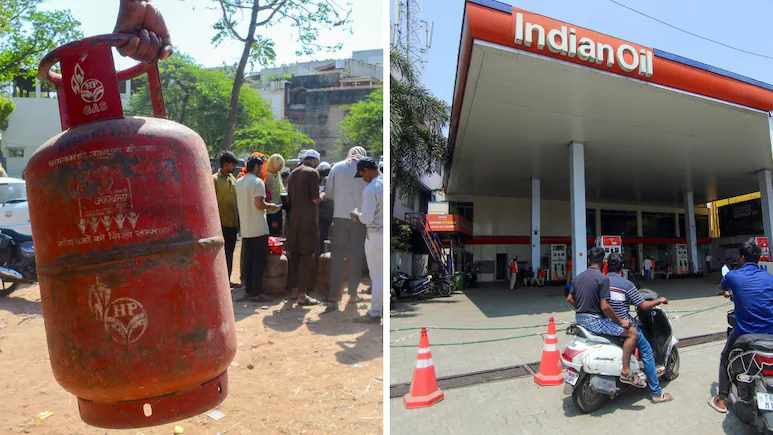
During the second week of the conflict involving the US, Israel, and Iran, reports of LPG shortages triggered panic among consumers. As a result, LPG bookings surged to 8.9 million. However, the situation is now under control, with bookings returning to a normal level of around 5.5 million.
To tackle potential shortages, Indian refineries ramped up production significantly. Since the start of the conflict, refinery output has increased by nearly 40%, ensuring uninterrupted LPG supply in the domestic market.
What About Fertiliser Supply?
There were also concerns about fertiliser imports being affected due to the conflict. However, government sources have assured that farmers will not face any shortage during the upcoming Kharif season. In fact, fertiliser stocks this year are significantly higher than in previous years.
- Urea stock has reached around 6.2 million tonnes, about 1 million tonnes more than last year
- DAP stock stands at approximately 2.5 million tonnes, nearly double compared to last year
- NPK stock is also strong at around 5.6 million tonnes
To maintain supply, India has entered into strategic agreements with countries like Russia, Morocco, and Saudi Arabia. Fertiliser shipments are now being routed through alternative maritime routes to avoid disruptions.
Additionally, to prevent hoarding and black marketing, the government has introduced strict digital monitoring of fertiliser sales across all 652 districts. This system enables authorities to detect and act quickly against any irregularities.
No Shortage of Oil and Gas
The Petroleum Ministry has clarified that there is no “dry-out” situation for oil or gas. Essential sectors such as hospitals and hotels are being prioritised for supply.
Overall, despite global conflict and uncertainty, India has effectively managed its energy and agricultural security, ensuring that both households and farmers remain unaffected.