

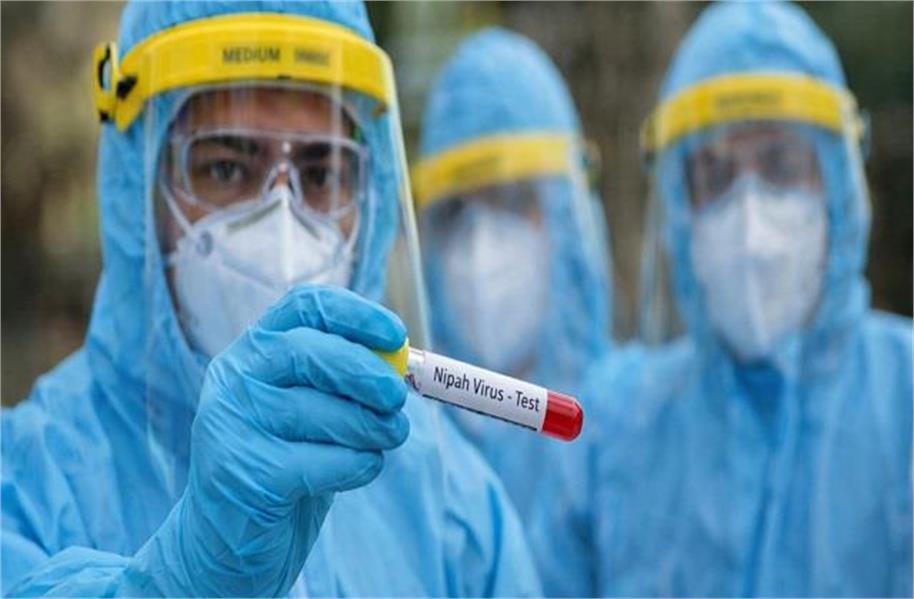
National Desk: After a case of the Nipah virus was reported in West Bengal, concerns have once again risen not only in India but across the world. Nipah is a zoonotic virus, meaning it spreads from animals to humans. If human-to-human transmission begins, the situation can become extremely serious.
The biggest cause for concern is its very high fatality rate, which is believed to range between 40 and 75 percent. This is why even a single confirmed case of Nipah puts health agencies on high alert.
Where Does the Nipah Virus Come From?
Fruit-eating bats are considered the primary natural source of the Nipah virus. The virus can reach humans in several ways:
- By consuming fruits eaten or contaminated by bats
- By drinking raw date palm sap
- Through contact with infected pigs
- Through contact with body fluids of an infected person (human-to-human transmission)
Why Is Nipah Virus Considered So Dangerous?
The most alarming aspect of Nipah is that there is currently no confirmed cure or vaccine available. Treatment is limited to managing symptoms. Severely ill patients often require intensive care. According to doctors, even those who survive may suffer long-term complications such as memory loss, seizures, and other neurological disorders.
How Does the Nipah Virus Progress in the Body?
One of the scariest features of Nipah is that it does not show symptoms immediately. The incubation period is usually 4 to 14 days, but in some cases, the virus can remain silently hidden in the body for up to 45 days. During this time, the person may feel completely healthy while the virus continues to remain active inside.
Two Dangerous Stages of Nipah Infection
First Stage – Flu-like Illness
At this stage, symptoms resemble common flu, including high fever, headache, body pain, sore throat, vomiting, and nausea. Many people mistake it for seasonal flu or COVID-19 and ignore it, which can be extremely dangerous.
Second Stage – The Most Deadly Phase
This is when Nipah becomes life-threatening. The virus attacks the brain and can cause encephalitis (brain inflammation).
Symptoms at this stage may include dizziness, excessive drowsiness, confusion, loss of consciousness, breathing difficulties, seizures, and the risk of slipping into a coma within 24 to 48 hours.
How Does Nipah Virus Spread?
- Direct contact with infected bats or pigs
- Consuming fruits or raw date palm sap contaminated by bats
- Contact with body fluids of an infected person
Countries Where Nipah Cases Have Been Reported
Nipah virus cases have been reported in several countries, including Bangladesh, Malaysia, Singapore, and the Philippines. In India, reports suggest that two people have died in West Bengal, prompting increased vigilance in several countries.
What Measures Are Taken After a Case Is Detected?
As soon as a Nipah case is confirmed:
- Large-scale testing is initiated
- The infected person is isolated
- Contact tracing is intensified
These steps are taken to prevent further spread of the virus.