


“She is defined and differentiated with reference to man and not he with reference to her; she is the incidental, the inessential as opposed to the essential. He is the Subject, he is the Absolute – she is the Other.”- Simone de Beauvoir, The Second Sex (1949)
In a country where a woman is denied personhood, 77 years later, de Beauvoir’s words still ring true. An Indian woman continues to be identified in relation to a man. She does not belong to herself. She is simply what the society decrees; a society catering to men as the essential. Hence, to the Indian man, she only appears as a sexual being, incapable of thinking of herself without him.
In lieu of women taking to the streets, protesting the incessant moral policing and the growing number of rape cases in India, a clip from Javed Akhtar’s Rajya Sabha speech from 12 years ago is making the rounds on Instagram these days. In his speech, he recalls how Indian society puts a woman on a pedestal by calling her Devi because the alternative is accepting her as a human being. In doing so, the society has to extend basic human rights to her, thereby accepting the fact that she is an individual with agency and autonomy. This is seen as the ultimate threat to the Indian way of thinking and being.
To eliminate this threat, the society creates a space for policing the agency of the woman. This space is then dominated by groups like the Bajrang Dal, and the infamous anti-Romeo squads across several states, who openly indulge in moral policing, even going to the extent of threatening consenting adult inter-faith couples in the name of campaigning against “love jihad” rather than preventing harassment and eve-teasing under the garb of which they were formed.
In light of the Jamui Incident, the main accused has garnered several hundred followers on Instagram. This appalling behaviour, instead of being publicly condemned, is promoted by applauding their actions and celebrating them as saviours of “Bharatiya Sanskriti”. This is what constitutes rape culture.
Rape culture does not mean that everyone condones rape; it is the everyday attitudes and patriarchal values that minimise the seriousness of sexual violence, excuse perpetrators, and shift the burden of responsibility onto victims for the circumstances in which they were harmed. Every time a woman is assaulted, the conversation often turns to what she was wearing, why she was out, and whether she had a male friend. The question we ask far less often is the one that should come first: Why did the man believe he had the right to violate her?
This is how rape culture sustains itself and is then normalized, partly due to the abysmal statements made by Indian politicians who continue to treat these heinous acts of gender-based violence as simply boys making mistakes and using Westernization as the scapegoat, even going to the extent of proposing child marriage as the solution to keeping women indoors, thus safe, rather than earnestly addressing the root cause of the issue.
India has laws and institutions designed to respond to sexual violence. But a right written into law is not necessarily a right women can access in everyday life. A woman may legally have the freedom to travel, use a phone, choose her friends, marry whom she wants, and live independently, yet society makes each of these choices conditional. This is where the gap between law and lived reality becomes important.
A law cannot change a society’s regressive mindset overnight. That change has to begin much earlier, with schools having specified courses on bodily autonomy and gender equality, embedded in everyday curricula. Isolating students in schools and colleges by segregating them based on gender further creates an atmosphere of alienation. This leads to objectification becoming the norm, since cross-gender interactions are absent, cementing gender biased notions from a young age.
Therefore, consent must become part of ordinary social vocabulary. Friendship is not consent. Clothing is not consent. Silence is not consent. Perhaps that is where we need to reconsider what we mean by safety. If keeping women safe requires making their lives smaller, then we have not created a safer society. We have only created a society in which women are expected to shrink themselves to accommodate the danger around them. If the answer to violence is to restrict her freedom, then she has not been made safe. She has simply been made less free.
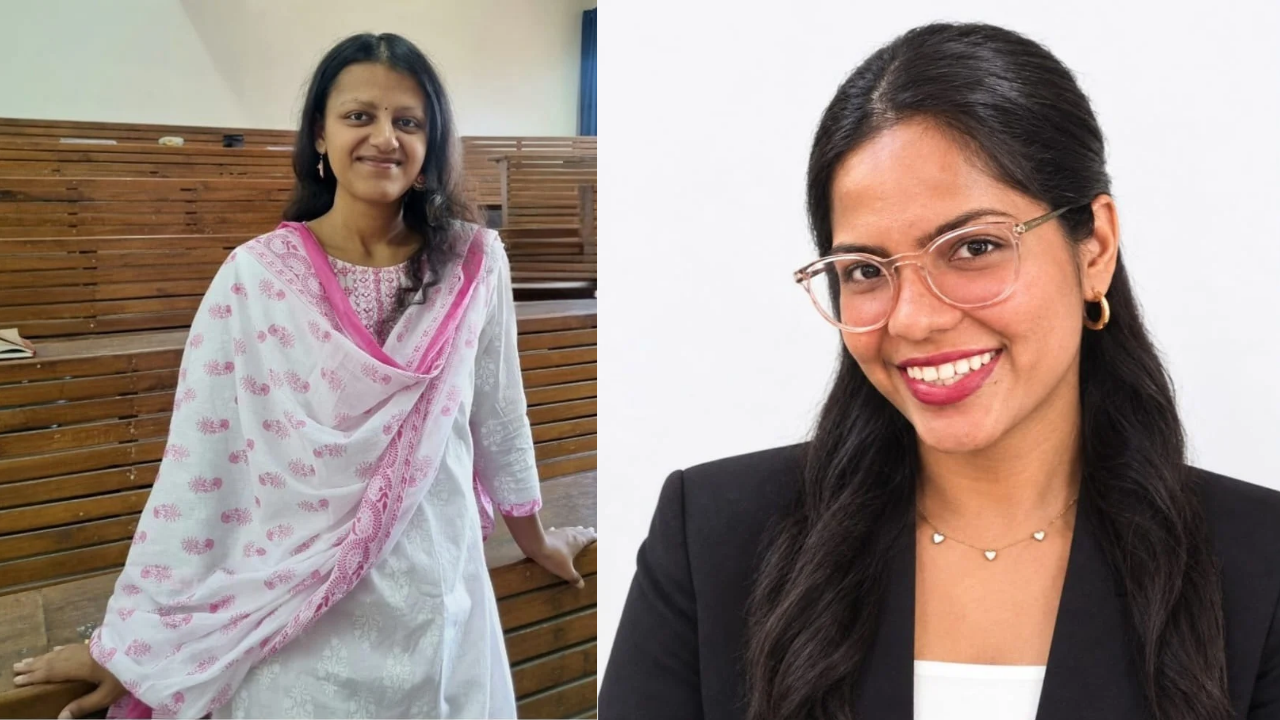
Devanshi Manta is a Senior Research Intern and Vanshika Singh is a Research Assistant at ICSSR, New Delhi.

Leave feedback about this